I have spent my career in work that begins with a good idea and then must survive contact with real institutions, relationships, and constraints. These are a few places where I have helped make that work possible.
From conversation to regional network
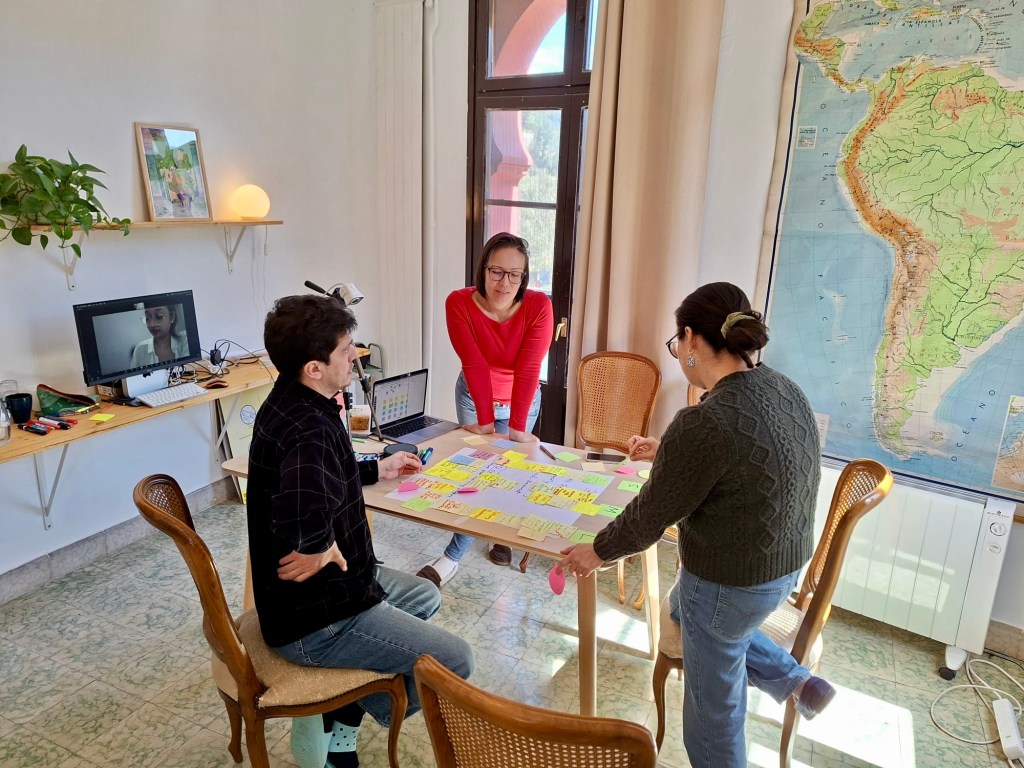
From 2022 to present, I’ve helped grow the Climate Sensitive Infectious Disease Network (CSIDNet), from an initial conversation with Wellcome Trust into a global, volunteer-driven network of 100 core members, a listserv of 800, and researchers and practitioners in 50 countries working across climate, health, and community-led knowledge production. That has meant building the relationships, governance, participatory funding, and convening capacity needed to work across countries and institutions. It also meant learning, repeatedly, what the network could not carry without clearer roles and a stronger shared rhythm.
Building research capacity inside a fast-moving ecosystem
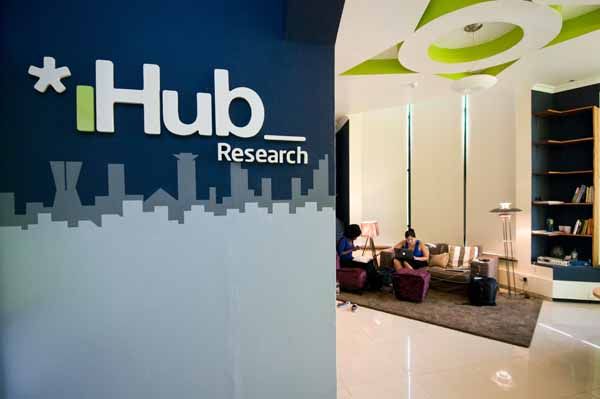
I helped establish iHub’s research department during formative years of Nairobi’s technology ecosystem (2010-2015). The task was not just to produce research; it was to create a function that could connect local insights, institutional partnerships, and practical learning for start-ups in an ecosystem moving faster than the existing organizational infrastructure.
Turning a promising initiative into an operating function
I have also worked with organizations like Baraza Media Lab building new research and program capacity. The work starts with landscaping research in order to co-design for the new functional area. At Baraza, I co-developed the strategy and plan for the new department and then helped hire the first research manager and support her to carry the work, thinking through methodology, reviewing draft reports, setting up tools and work plans, and suggesting specialists to bring in. I stay with the work past the written plan, until the team and routines are in place to carry it.
Building a global network across countries and disciplines
From 2014 to 2018, I helped grow the Open and Collaborative Science in Development Network, or OCSDNet, a global network of 12 teams of researchers and practitioners working on open science and development. The network brought together grantees supported by IDRC and DFID across Latin America, Africa, the Middle East, and Asia.
The coordinating team built ways for researchers working in very different institutional and political contexts to learn from one another, produce shared work, and shape a conversation about what open science could mean beyond the institutions that had usually defined it. I supported the network’s research, convening, sub-granting processes, communications, and broader intellectual direction across its four years.
OCSDNet gave me some of my earliest experience of what it takes to hold a distributed international network together. The questions have stayed with me: who sets the agenda, whose knowledge travels, and what does real collaboration require when participants are not coming from the same place?
If you are designing a program or deciding what comes next for one, I’d be glad to hear about it.

